

The field of gynecology is seeing a quiet but noticeable shift. Once, the focus stayed squarely on hormones, muscles, and nerves when it came to diagnosing and treating chronic pelvic pain. Now, attention is turning to something less obvious but perhaps no less important: inflammation. Within this conversation, mast cells, tiny components of the immune system, are getting a fresh look for their possible role in conditions like vulvodynia and vestibulodynia. Long dismissed as background players, these cells could help explain why so many women suffer from chronic pelvic pain that defies easy answers.
The mast cell mystery: more than meets the eye
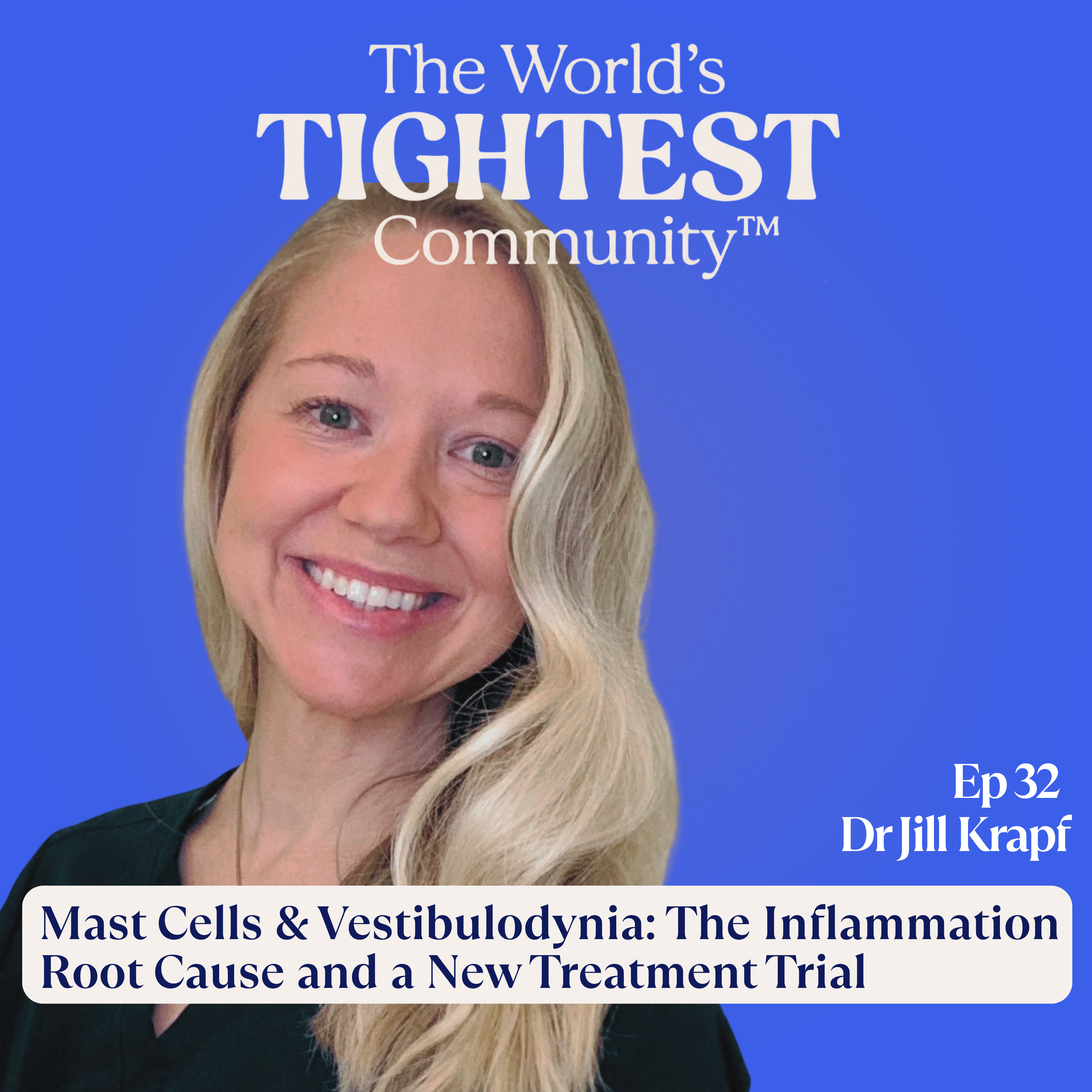
Mast cells are present throughout the body, especially in skin and mucosal tissues such as the vestibule of the vulva. They act as front-line defenders, releasing inflammatory substances when there’s infection or trauma. But their work may go further than simply fighting off invaders. Dr. Jill Krapf, who has studied these issues extensively, argues that recognizing the broader influence of mast cells is essential. In pelvic pain disorders, research now suggests that these cells could be driving symptoms even when nothing abnormal appears on examination.
For years, their role in disorders like vulvodynia was overlooked in favor of more obvious causes such as nerve or hormonal problems.
But what if chronic inflammation triggered by these immune cells is part of the story many doctors have missed?
This evolving view matters for daily life as much as it does for science. When mast cells release histamines and other signaling molecules, they can set off inflammation that leads to ongoing pain. Persistent inflammation in the vulvar vestibule may serve as a missed clue, evidence that a deeper systemic process is at work. Many women live with this pain without answers because current medical perspectives don't always include mast cell activity as a possible culprit. It may be time to look beyond established categories and consider these immune cells as important factors in chronic pelvic pain.
The intersection of genetics and inflammation
Mast cell activation can sometimes be traced back to genetics. Some people seem predisposed to react strongly through these cells, though current genetic testing rarely gives clear answers. Women with connective tissue conditions like Ehlers-Danlos syndrome often report a complex mix of symptoms that hint at underlying immune issues, including mast cell activity. This combination makes diagnosis challenging, for both patients navigating unexplained symptoms and doctors searching for patterns.
When standard tests come up empty, doctors may suspect mast cell involvement if symptoms range from unexplained digestive troubles to odd nervous system reactions. The label "mast cell activation syndrome" is sometimes floated but remains hard to pin down without more concrete evidence. Sorting through these overlapping issues requires expertise across several specialties, gynecology, genetics, immunology, all working together to find answers for people whose stories have often ended with uncertainty.
New frontiers in treatment: the ketotifen trial
On the treatment side, a clinical trial led by Dr. Krapf is offering an alternative to surgery for women with vestibulodynia. The study looks at ketotifen, a drug known for stabilizing mast cells, as a possible way to reduce inflammation, and therefore pain, without resorting to invasive procedures like vulvar vestibulectomy. While surgery has helped some women, it comes with significant risks and recovery time.
This trial, supported by the National Vulvodynia Association, tests whether ketotifen can calm an ongoing inflammatory response rather than cutting tissue away in search of relief.
The hope is that by focusing on stabilizing immune cells rather than removing anatomy, more women could avoid surgery altogether if their pain turns out to be rooted in neuro-inflammatory processes instead of physical lesions. Even more broadly, this approach hints at a future where science finally meets women's daily needs with treatments that address pain at its root, not just its most visible symptoms.