

Pelvic pain remains one of the least discussed realities in women’s health. Many women live with undiagnosed conditions such as vulvodynia, marked by persistent discomfort in the vulvar area. Their silence is often profound, shaping not only their daily lives but also their relationships and experiences of intimacy. Partners, unaware at first, may find themselves struggling with their own confusion and uncertainties. This dynamic raises difficult questions about how couples manage chronic pain, and how society’s expectations, misconceptions, and unspoken rules can create more guilt and misunderstanding for everyone involved.
Pelvic pain remains one of the least discussed realities in women’s health.
The taboo of silent suffering
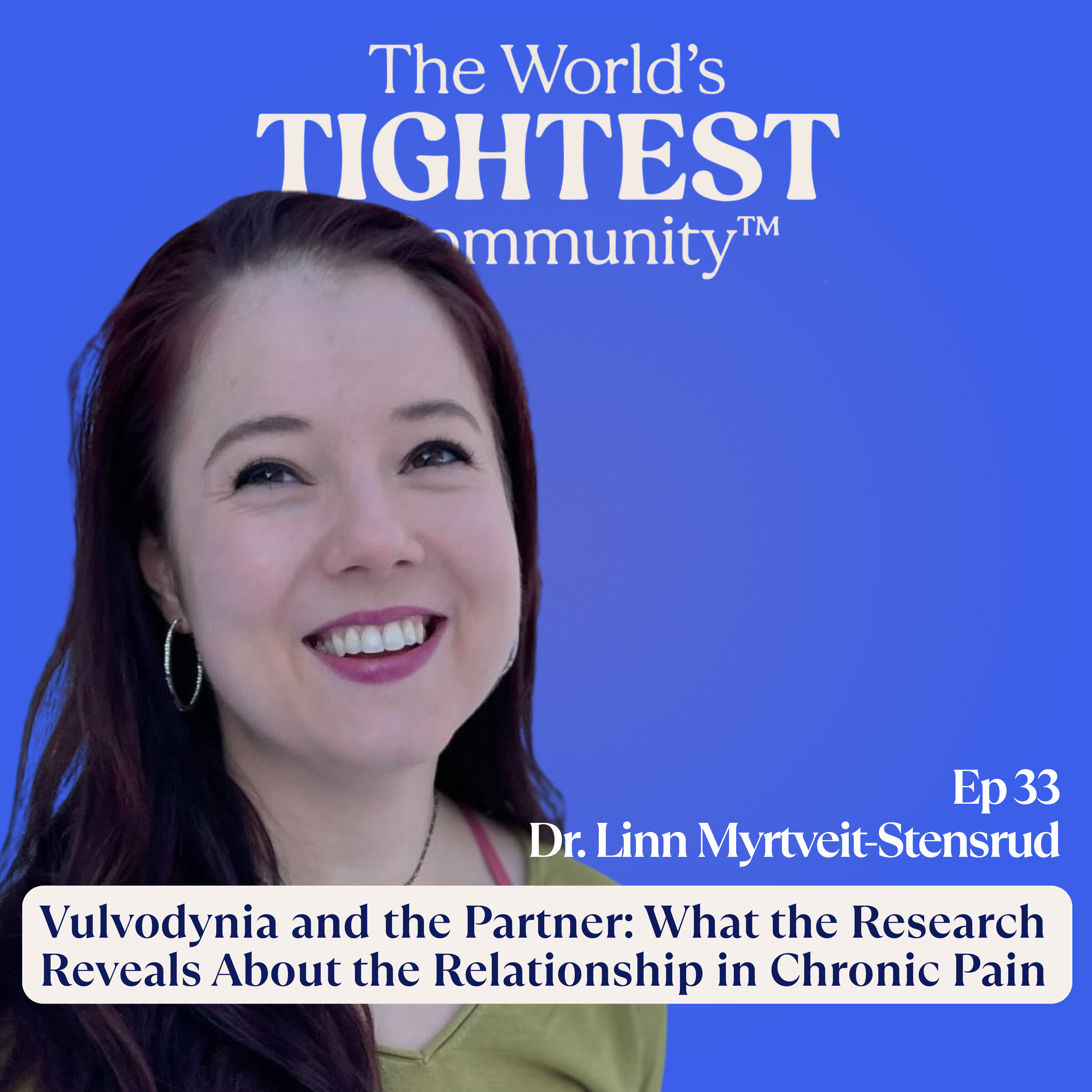
Research from Sweden reveals that nearly 70% of women with vulvodynia do not share their condition with their partners. This silence doesn’t come from neglect, but rather from shame and uncertainty. Many women are dismissed or doubted by the medical system, leading them to question whether their pain is even real. Linn Myrtveit Stensrud, clinical psychologist and researcher, explains that this cycle is fueled by ignorance within both society and medicine. The result: many question their own experiences, and self-blame becomes common as they worry about the social and personal fallout of speaking up. For these women, keeping quiet is less about passivity and more about fear, fear of stigma in a culture that treats female pain as routine or expected.
The idea that pain is just ‘normal’ for women has long overshadowed those with chronic pelvic conditions like vulvodynia. It’s an assumption that trivializes a serious medical issue and reflects the biases embedded in both clinical practice and cultural attitudes. That leaves many women enduring their pain alone; seeking help often feels as hard as dealing with the pain itself. In this climate, women’s reports of chronic pelvic pain are often met with skepticism, which only deepens their sense of isolation and invalidation.
Cultural ideals and male responses
Male partners face a complicated set of expectations when it comes to supporting someone with vulvodynia. Their reactions can shape not only the emotional climate at home, but also how the illness unfolds over time. Stensrud points out that men are often pulled between wanting to support their partner and feeling pressure to conform to societal standards of masculinity. This tension can undermine relationships, as men toggle between performing confidence for others and working through confusion or frustration in private.
Male partners face a complicated set of expectations when it comes to supporting someone with vulvodynia.
Cultural norms still suggest that men should be sexually assertive, yet true support for a partner with chronic pelvic pain demands patience and empathy instead. For many men, abstaining from sex isn’t the core problem; it’s anxiety about how others will perceive them or what it means for their identity. Navigating these mixed messages can be deeply challenging. Sometimes the result is unintentional neglect or resentment within the relationship; sometimes it’s simply a quiet standstill, as both partners avoid difficult conversations.
Break the silence: Empowering communication
Open communication might sound obvious, but it’s often missing from relationships affected by vulvodynia. Silence built on worry and assumption becomes a breeding ground for misunderstanding. Couples frequently misread each other’s needs or expectations, sometimes for years on end. Breaking this silence means deliberately asking tough questions and challenging myths that discourage real discussion.
Research suggests that honest conversations about fears and priorities can dramatically change relationships once characterized by secrecy or strain.
Research suggests that honest conversations about fears and priorities can dramatically change relationships once characterized by secrecy or strain. These discussions make it possible for couples to find understanding together instead of shouldering burdens alone. Being open doesn’t mean minimizing the seriousness of pain, it means facing it together. With this approach, couples have a better chance at building supportive partnerships grounded in empathy rather than suffering in isolation.